Best Grilled Hot Dog in Pueblo CO
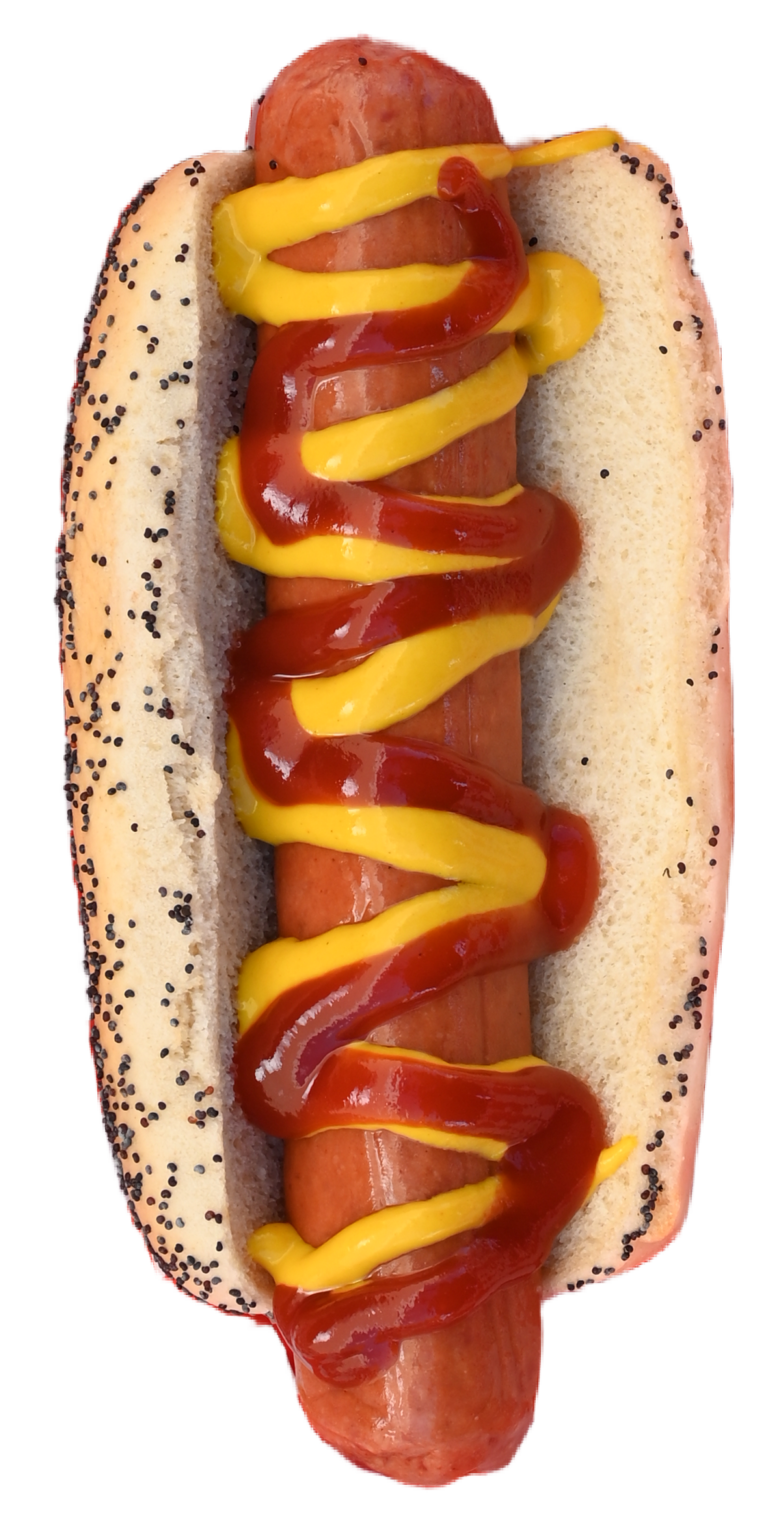


Finding the best grilled hot dog in Pueblo CO sounds simple until you start paying attention to what separates an average one from a memorable one. A hot dog is a humble thing. It is quick, inexpensive, familiar, and easy to overlook. Yet anyone who has spent time around backyard grills, county fair stands, ballpark counters, or late lunch spots knows how wide the gap can be between a dog that merely fills a bun and one you think about again the next week.
Pueblo is the right kind of place for this conversation. It is a city with strong opinions about flavor, heat, and value. People here tend to appreciate food that is direct, satisfying, and honest. That matters, because the best grilled hot dog is never just about novelty. It is about balance. The snap of the casing, the smoke from the grill, the way the bun holds without tearing, and the toppings that support the dog instead of burying it. In Pueblo, where roasted peppers and green chile often show up in the most welcome places, a grilled hot dog can take on a local identity without becoming fussy.
If you are searching for the best hot dog Pueblo CO has to offer, it helps to know what you are actually looking for. Not every great hot dog comes from the same formula. Some excel because the grill work is perfect. Others win because they understand restraint. A few stand out because they use local flavor cues so naturally that the finished dog tastes like it belongs exactly where it was made.
What “best” really means for a grilled hot dog
People argue about toppings, but the foundation matters more. A grilled hot dog earns its place on three fronts: the dog itself, the grill, and the assembly. If one of those is weak, the result suffers. You can hide a mediocre sausage under enough mustard, onions, relish, and cheese, but you cannot make it truly good.
The dog should have a clean, savory flavor with enough salt to be lively, but not so much that it overwhelms the palate after a few bites. Beef dogs usually take best to open-flame grilling because they develop a stronger charred note and hold their texture well. Mixed-meat dogs can be excellent too, especially when they stay juicy without turning rubbery. What matters most is that the interior stays plump while the outside gets some blister and color.
Then comes the grill itself. Good grilled hot dogs are not simply heated through. They are managed. A cook with experience knows when to place them over stronger heat to develop marks and when to move them off to avoid splitting too aggressively. Slight blistering is attractive. Full rupture is not. There is a difference between a hot dog that has been kissed by flame and one that has been punished by it.
The bun is where many otherwise promising dogs lose ground. In practice, the bun has to do more work than people admit. It needs enough softness to compress comfortably when you bite, but enough structure to contain juices, condiments, and toppings. A lightly toasted bun often makes the difference between a hot dog that eats cleanly and one that collapses halfway through. This is not a small detail. It changes the entire experience.
Why Pueblo’s flavor profile matters
Pueblo has a food identity tied to bold, practical flavor. The local preference leans toward food with backbone, not food that performs for social media and fades on the tongue. That is one reason a grilled hot dog can feel especially at home here. It welcomes smoke, spice, acidity, and heat.
A Pueblo-style instinct often leads toward green chile, roasted peppers, grilled onions, or a sharper mustard rather than a sweeter topping set. That does not mean every hot dog in town should be chile-smothered. It means the city’s palate rewards contrast and character. A plain dog can still be excellent, but if you want a version that feels rooted in place, adding Pueblo’s chile culture to the equation makes sense.
The challenge is proportion. Green chile can improve a hot dog dramatically when it is used as an accent. It can also drown the dog if ladled on too heavily or left too loose. The best versions keep enough texture in the chile to avoid turning the bun soggy in the first minute. They also pair it with something that brightens the bite, often diced onion, mustard, or even a small amount of shredded cheese if the dog is substantial enough to carry it.
The grill marks are not the goal
A lot of people judge a grilled hot dog by appearance first. Deep black stripes, split casing, maybe a bit of curl at the edges. It photographs well, but it is not always the best outcome. The ideal grilled dog has color and smoke, yes, but the grill marks are only evidence of heat exposure. They are not proof of good eating.
Real quality shows up in the bite. The casing should offer a little resistance, then give way cleanly. The interior should be juicy but not mushy. There should be clear grilled flavor, but not so much carbon that bitterness takes over. In my experience, the best hot dogs off the grill usually come from medium-high heat with attentive turning, not from leaving them untouched until they look dramatic.
This matters even more at busy food counters or community events in Pueblo, where the pressure to move quickly can tempt vendors to over-char for visual impact or hold dogs too long after grilling. Hot dogs are forgiving, but not endlessly so. Let them sit too long in a steam tray after they come off the flame and the casing loses its personality. Keep them on direct heat too long and the fat begins escaping before the customer even takes the first bite.
The toppings that actually improve a grilled dog
Toppings should do one of four jobs: add sharpness, bring crunch, deepen savoriness, or contribute heat. The trouble starts when they all do the same job at once. A grilled hot dog already has fat, smoke, and salt. Pile on heavy chili, melted cheese, bacon, and mayo-style sauce together, and the result can turn flat despite all that richness.
Pueblo gives you better options because heat here can be more nuanced than mere spiciness. Roasted green chile adds vegetal depth and warmth. Grilled onions offer sweetness and a little char. Mustard cuts through richness. Pickled elements, even a small amount, can wake everything up.
A very good grilled hot dog in Pueblo CO often leans on one local note and one classic note. Think green chile with mustard. Or grilled onions with a restrained cheese layer. Or chopped raw onion with a spicy relish. The point is contrast. You want each bite to have movement.
One common mistake is treating the hot dog like a blank slate for leftovers. A spoonful of green chile from the night before might taste great on a burrito, but if it is too thin or too salty, it can ruin a hot hot dog Pueblo CO dog in seconds. The best topping setups are usually made with this exact food in mind. They are tighter, more deliberate, and portioned so the dog remains the main event.
What to look for when ordering around town
If you are comparing options and trying to decide where the best hot dog Pueblo CO residents would respect might be, watch the process as much as the menu. Menus promise. Technique reveals.
First, look at how the hot dogs are held before they are served. If they come straight from the grill or from a short rest in a warm zone, that is a good sign. If they have been rolling endlessly or sitting in moisture, expect a softer, less defined bite.
Second, notice the bun handling. A place that warms or lightly toasts the bun is usually paying attention. Cold buns mute hot food. Over-toasted buns crack and scatter. There is a sweet spot.
Third, check topping discipline. A cook who knows hot dogs will distribute toppings in a way that runs the length of the bun rather than dropping a mound in the center. It seems minor until the last third of the dog is bare and the first third is impossible to eat cleanly.
Finally, trust your first bite more than your first impression. Plenty of hot dogs look generous and turn out clumsy. The truly good ones make immediate sense. You get smoke, salt, texture, and contrast all at once.
Why simplicity often wins
There is a tendency to chase the loaded version, especially when searching for “best.” Bigger can feel like better. In practice, many of the strongest grilled hot dogs are built with restraint. A quality all-beef dog, properly grilled, in a toasted bun, with mustard, onions, and maybe green chile, can outperform a far more elaborate version.
This is partly because hot dogs are narrow foods. They are not burgers. There is only so much structural room for toppings before proportion falls apart. Every extra spoonful raises the odds of a messy, steam-softened bun and a blurred flavor profile.
Simplicity also exposes craftsmanship. If a place can make a plain grilled dog taste excellent, that tells you more than any specialty build with six toppings. It means the dog was chosen well, the grill was run correctly, and the fundamentals were respected. Those are the places worth returning to.
The Pueblo difference, heat with purpose
Pueblo’s broader food culture has long understood the difference between heat that dominates and heat that supports. That distinction matters on a hot dog. The best spicy hot dogs do not numb the mouth or force the eater to reach for water after every bite. They create lift. They sharpen appetite.
Green chile is the obvious local bridge, but even here, it needs handling. A mild roasted chile with smoky sweetness can be more effective on a grilled hot dog than a brutally hot one, because it lets the dog’s savory notes stay present. Heat should make you want the next bite, not interrupt the current one.
That is why some of the best combinations in Pueblo are probably not the most extreme. A grilled dog with diced onion, mustard, and chopped roasted chile has a real chance of beating a version buried under chili, cheese, and hot sauce. It is balanced. It tastes like a hot dog first, Pueblo second, and that order is exactly right.
Signs you are eating a top-tier grilled hot dog
The first bite tells you nearly everything. The bun yields without disintegrating. The dog has a distinct exterior texture. The smoke reads clearly, but lightly. Toppings stay in place instead of sliding out the back. You do not need to reconstruct it between bites.
There are also subtler indicators. The dog stays hot through the middle, which sounds obvious but is not guaranteed. The seasoning remains consistent from one end to the other. The bun and dog are proportionate, with no long stretch of bread left over at the end. Perhaps most importantly, the flavor becomes more satisfying as you continue. Weak hot dogs fade after two bites. Strong ones open up.
When people talk about the best grilled hot dog in Pueblo CO, they often focus on toppings because toppings are easy to remember and describe. Yet repeat customers usually come back for the texture and execution. Those are the harder things to fake and the easier things to crave.
If you are making one at home in Pueblo
Backyard grilling is where many people form their standards for hot dogs, and Pueblo is a good place to take that seriously. The climate gives you plenty of grilling days, and the ingredient path is simple. You do not need expensive tools or complicated prep. You do need attention.
Choose a dog with enough heft to stand up to the grill. Flimsy, bargain dogs often wrinkle before they char and lose moisture quickly. Preheat the grill so the heat is established before the dogs go on. Turn them often enough to color evenly without bursting. Warm the buns in the final minute, ideally where they can pick up a little toast but not direct scorch.
If you are adding chile, keep it spoonable, not soupy. If you are using onions, decide whether you want the bite of raw or the sweetness of grilled, then commit. Doing both can clutter the result. Mustard remains one of the best supporting players because it cuts through fat and amplifies smoke without stealing attention.
Here are a few combinations that work especially well in Pueblo kitchens and backyards:
- all-beef dog, yellow or brown mustard, diced onion, chopped roasted green chile
- beef and pork dog, grilled onions, spicy mustard, a light shred of cheddar
- plain grilled dog, pickle relish, mustard, and celery salt for a classic snap
- larger frank, green chile, white onion, and a small spoon of firm chili if you want extra depth
- simple dog with just mustard and toasted bun, for the nights when the grill flavor should do all the talking
Even at home, the biggest improvement usually comes from moderation. Less topping, better heat control, and a bun that matches the dog will beat a crowded build almost every time.
Common mistakes that ruin a promising hot dog
Some mistakes show up so often they are worth naming plainly. Overcooking is the big one. It dries the interior, toughens the casing, and leaves you with a dog that smells better than it tastes. The second is using a bun that is too large, too dry, or too fragile. The third is overloading with wet toppings.
Another issue, especially with grilled food in dry climates, is timing. A hot dog can move from ideal to tired fairly quickly once it leaves the grill. If you are serving several people, assemble in batches rather than all at once. That keeps the bun from steaming out and the dog from cooling off before it is eaten.
One more thing deserves mention. Not every condiment belongs on every grilled hot dog. Ketchup is a personal choice and people have strong feelings about it, but on a smoke-forward, chile-accented hot dog, it often adds sweetness where none is needed. It can flatten the sharper, livelier notes that make Pueblo-leaning hot dogs distinct. If that is how someone enjoys it, fair enough. But if you are aiming for the best version, there are usually stronger paths.
How to judge value, not just price
A hot dog occupies an interesting place in the dining landscape because people expect it to be cheap. Usually it should be. Still, the lowest price does not automatically represent the best value. If you pay a little more for a better dog, a properly toasted bun, and toppings that are prepared with care, the eating experience changes enough to justify it.
Value also includes consistency. A place that turns out a very good grilled hot dog every time is more valuable than a place that occasionally produces a great one when the grill cook happens to be on point. Consistency is one of the most overlooked marks of quality in casual food.
That is especially relevant when asking locals where to find the best hot dog Pueblo CO can offer. Residents often recommend places not just because they had one good lunch there once, but because the hot dog is reliably good over time. Reliability is not glamorous, but in food it matters.
The case for the classic grilled dog
After trying loaded versions, regional spins, spicy builds, and house specials, many people end up admiring the classic more than they expected. There is a reason. The classic grilled hot dog is one of the most efficient foods ever made. It can be eaten standing up, at a picnic table, in a parking lot after a game, or at home off a paper plate. It is satisfying without demanding attention, yet good enough to deserve it.
In Pueblo, the classic has room to take on local character without losing its identity. That may be the real sweet spot. A grilled dog should still feel like a hot dog, just one shaped by the tastes of the city around it. Not every food handles regional adaptation well. This one does.
If you are looking for the best grilled hot dog in Pueblo CO, keep your standards simple and sharp. Seek clean grill flavor, proper texture, a bun that helps instead of hinders, and toppings with a reason to be there. Favor balance over bulk. Notice whether the dog tastes thought through or just dressed up. That is usually where the answer lives.
A truly great grilled hot dog is rarely complicated. It is hot, smoky, juicy, and well built. In a city like Pueblo, it may also carry a little chile warmth, a little char, and a lot of good judgment. That combination is hard to beat.
Under Construction Hot Dogs
Address: 1225 W U.S. Hwy 50, Pueblo, CO 81008
FAQ About Hot Dog Pueblo CO
Why is it called a hot dog?
A hot dog gets its name from a 19th-century joke comparing long, thin sausages to dachshund dogs and mocking their cheap meat content.
Is hotdog non-veg?
Yes, traditional hot dogs are non-vegetarian because they are made from meat trimmings like pork, beef, chicken, or turkey.
What exactly is in a hot dog?
Hot dogs are cooked and smoked sausages made from finely ground, emulsified meat trimmings mixed with water, fat, spices, and preservatives.